
Introduction: The Changing Landscape of WoW Raiding
Since World of Warcraft’s launch in 2004, raiding has been the pinnacle of PvE content, pushing players to coordinate, strategize, and execute mechanics with precision. Over time, raid mechanics have evolved dramatically, transforming from simple tank-and-spank fights in Molten Core to highly complex, multi-phase encounters in The War Within (TWW).
This article will explore the history of WoW raids, tracing their evolution from Classic to 2025, covering:
✔ How raid mechanics have changed over each expansion
✔ Key innovations that shaped modern encounters
✔ How Blizzard refined boss fights to balance difficulty and accessibility
✔ The future of WoW raid mechanics in upcoming expansions
By the end, you’ll understand how raiding has grown into one of the most refined aspects of World of Warcraft and what to expect moving forward.
1. Classic WoW (2004-2006): The Birth of Raiding
In Vanilla WoW, raids were massive, chaotic, and punishing. Boss fights relied on basic mechanics, strict gear checks, and heavy class reliance. The first raids, Molten Core, Blackwing Lair, and Naxxramas, had:
- Simple fight mechanics (tank-and-spank, dispel debuffs, avoid fire).
- 40-player groups, making coordination difficult.
- Strict class roles, where Warriors were the only viable tanks, and Druids/Priests were the primary healers.
- Long attunement processes, requiring extensive quest chains before entering certain raids.

Example: Ragnaros in Molten Core
- Basic abilities like Fireball and Knockback.
- Phase 2 introduced Sons of Flame adds, forcing the raid to manage additional targets.
These encounters, while iconic, lacked the complexity of modern raids, making mechanics more about endurance and resist gear than execution.
2. The Burning Crusade (2007-2008): Refining Raid Design
With The Burning Crusade, Blizzard introduced 10-player and 25-player raids, scaling encounters for smaller, more strategic groups. Boss fights became more mechanically demanding, introducing:
- Soft enrage mechanics, forcing DPS to execute efficiently.
- Tank swapping, preventing a single tank from handling all the damage.
- Positioning requirements, such as avoiding cone attacks or stacking for AoE healing.
Example: Kael’thas Sunstrider in The Eye
- Required players to defeat four mini-bosses before engaging Kael’thas.
- Multi-phase encounter, including a gravity-defying phase with floating combat.
- Weapon pickup mechanic, where players used legendary weapons dropped mid-fight.
Blizzard was learning that fights could be complex without just increasing health pools.
3. Wrath of the Lich King (2008-2010): The Rise of Hard Modes
Wrath of the Lich King introduced the modern raid difficulty system, making raids more accessible while offering hardcore challenges.
- 10 and 25-player versions allowed more flexibility for guilds.
- Hard Modes (Ulduar) let players trigger harder versions of fights through in-game actions.
- Phased encounters, where bosses changed significantly as fights progressed.
Example: Yogg-Saron in Ulduar
- Sanity Mechanic, where players had to manage a unique “insanity” meter.
- Optional Keepers, where leaving allies alive affected the difficulty.
- Multi-phase fight with a portal-based intermission, making it one of the most memorable encounters in WoW history.
With Icecrown Citadel, Blizzard implemented Heroic Mode, paving the way for future Mythic raiding.
4. Cataclysm (2010-2012): The Birth of Modern Raid Complexity
Cataclysm took raid complexity to a new level, introducing:
- Heavily scripted boss fights, where mechanics changed dynamically.
- Encounters requiring multiple role coordination (DPS, healers, and tanks all had unique tasks).
- Limited attempts per week for certain bosses, increasing raid prestige.
Example: Heroic Ragnaros (Firelands)
- Introduced an extra Heroic-only phase where Ragnaros crawled out of the lava, changing the entire fight.
- Required precise execution, movement coordination, and healing optimization.
This era solidified scripted mechanics and phase transitions as staples of modern raiding.
5. Mists of Pandaria (2012-2014): Flexible Raid Scaling and Challenge Modes
Blizzard refined raid accessibility with:
- Flexible Raid Sizes (Siege of Orgrimmar), allowing dynamic player scaling.
- More personalized mechanics, where fights became about individual player execution rather than entire groups handling one mechanic.
- The introduction of personal responsibility mechanics—failing mechanics no longer just wiped the raid but had direct consequences on the player.
Example: Lei Shen in Throne of Thunder
- Each phase had dynamic platform mechanics, forcing players to adapt constantly.
- Players had to absorb certain boss abilities to prevent wipes.
Mists of Pandaria made raiding more accessible but also added high execution requirements.
6. Warlords of Draenor (2014-2016): The Mythic Revolution
Blizzard introduced Mythic difficulty, setting a fixed 20-player size for top-tier raiding. This allowed:
- Fights to be designed for optimal raid sizes, ensuring tighter tuning.
- More mechanics requiring precision execution, forcing fewer players to handle bigger responsibilities.
Example: Mythic Blackhand (Blackrock Foundry)
- Three-phase fight with destructible terrain mechanics.
- Players had to use siege vehicles mid-fight, making it a highly interactive raid boss.
Mythic mode would remain the pinnacle of difficulty moving forward, pushing players to their absolute limits.
7. Legion to Dragonflight (2016-2024): The Era of Cinematic Raiding
Starting in Legion, raid fights became more cinematic, immersive, and dynamic, introducing:
- Personal player mechanics (if you failed, you would die without wiping the raid).
- Expanding environmental mechanics, such as moving platforms and shifting arenas.
- Final bosses with “second” secret phases, giving Mythic raiders additional surprises.
Example: Mythic Sylvanas (Sanctum of Domination, Shadowlands)
- Three-phase fight spanning multiple platforms, intermissions, and execution-heavy mechanics.
- Raid-wide debuffs that changed how players moved and interacted with the fight.
Blizzard made bosses more cinematic and interactive, making each raid encounter feel like an epic battle rather than just a damage race.
8. The Future: How Will Raid Mechanics Evolve in The War Within and Beyond?
Looking ahead to The War Within and future expansions, we can expect:
- AI-driven mechanics that adapt dynamically to player mistakes.
- Cross-faction, multi-phase boss fights where both Horde and Alliance perspectives play out.
- More environment-based mechanics, such as underwater combat or no-gravity encounters.
Raiding in WoW has evolved from simple tank-and-spank bosses in Classic to multi-phase, cinematic encounters requiring extreme precision. The future of raid mechanics in WoW will likely focus on player choice, adaptability, and an ever-increasing emphasis on execution-heavy gameplay.
9. The War Within and the Next Evolution of WoW Raiding
With The War Within (TWW) on the horizon, Blizzard is set to redefine raid mechanics once again, pushing encounters to new levels of complexity and immersion. The next generation of WoW raid mechanics evolution will focus on:
- Adaptive AI mechanics that adjust difficulty in real-time.
- New movement challenges, such as vertical combat and multi-level encounters.
- Increased raid-wide player interactivity, making each class and role more important than ever.
Let’s explore how TWW is shaping the future of WoW raid progression.
A. AI-Driven Mechanics: Dynamic Boss Fights
One of the biggest advancements in The War Within will be AI-driven raid mechanics. Unlike past expansions, where boss fights followed rigid scripts, Blizzard is experimenting with dynamic encounters that react to player mistakes and strategies.
For example, instead of a fixed ability rotation, bosses may:
✔ Prioritize targeting weaker players if healers are struggling.
✔ Adjust AoE patterns based on raid positioning.
✔ Delay mechanics if too many players are dead, providing a chance for recovery.
This shift will force raiders to adapt on the fly, making progression less about memorization and more about real-time decision-making.
B. Vertical Combat and Multi-Level Raid Design
Blizzard has teased a shift toward vertical raiding mechanics, meaning future encounters may involve:
✔ Fights that transition between different floors mid-combat.
✔ Boss mechanics requiring groups to split between multiple heights.
✔ Players climbing or descending via raid mechanics rather than traditional stairs.
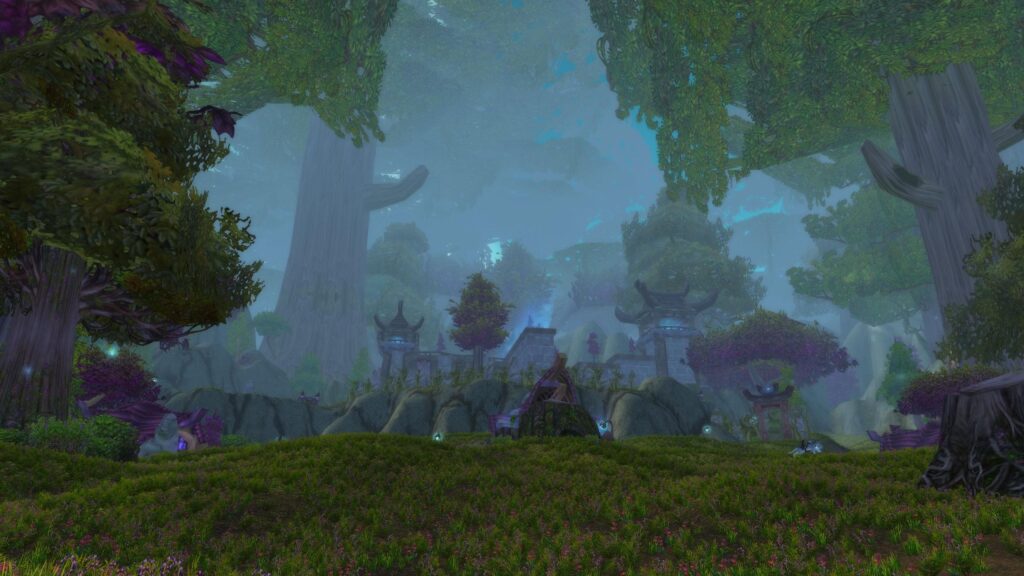
Imagine a raid boss where players must use grappling hooks to reposition or a fight taking place across multiple airships. These mechanics will test raid awareness and movement coordination like never before.
C. Enhanced Role-Specific Mechanics: The Importance of Class Utility
In The War Within, raid design is shifting away from pure DPS races and towards requiring unique contributions from all roles. This means:
✔ Tanks will need to do more than hold aggro, possibly interacting with environmental mechanics to protect the raid.
✔ Healers will play a more active role in debuff management, making cleansing and dispels more crucial.
✔ DPS will need to handle more puzzle-like mechanics, similar to how Fatescribe Roh-Kalo in Shadowlands required players to rotate runes while fighting.
The future of WoW raid mechanics evolution is ensuring that every player has an active role in shaping the fight’s outcome.
10. Looking Ahead: What Future WoW Raids Could Introduce
As technology improves, Blizzard will likely introduce even more innovations to keep raiding fresh. Some potential future mechanics include:
A. Time Manipulation Mechanics
- Encounters where players travel between different moments in time within the same fight.
- Bosses that rewind mechanics, forcing players to execute previous phases differently.
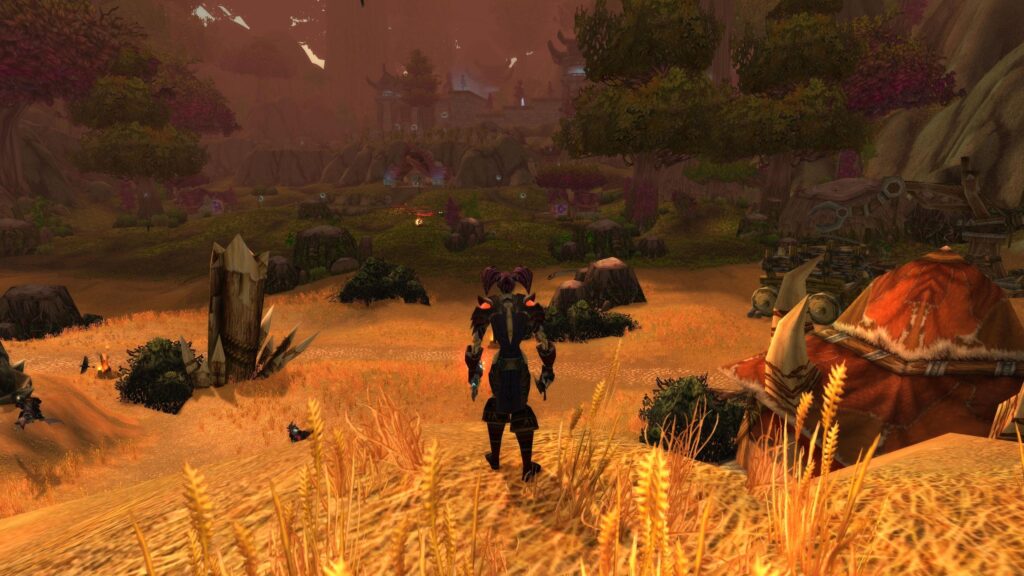
B. Large-Scale Cross-Faction Raids
- Encounters where Horde and Alliance teams start in different locations and must converge mid-fight.
- Mechanics requiring players from different factions to solve cooperative puzzles together.
C. Customizable Raid Experiences
- Dynamic raid scaling that modifies mechanics based on group size and composition.
- Player-chosen difficulty modifiers, similar to how Ulduar’s Hard Modes worked, but applied raid-wide.
With each expansion, raiding in WoW continues to evolve, proving that Blizzard is committed to making each raid tier more engaging than the last.
Final Thoughts: The Unstoppable Evolution of WoW Raid Mechanics
The journey from Molten Core’s simplistic tank-and-spank fights to the cinematic, multi-layered encounters of today is a testament to WoW’s continuous growth.
✔ Classic raids were all about survivability and endurance.
✔ Burning Crusade and Wrath of the Lich King added complexity with multi-phase encounters.
✔ Modern raids emphasize cinematic storytelling, execution-heavy mechanics, and personal responsibility.
✔ The War Within and beyond will push AI-driven fights, vertical combat, and deeper role-based mechanics.
With every expansion, Blizzard ensures that raiding remains the most challenging and rewarding PvE content in WoW. The future of WoW raid mechanics evolution is limitless, and we can’t wait to see what’s next.
What raid mechanics do you think Blizzard will introduce in future expansions? Share your thoughts below! 🚀
Leave a Reply