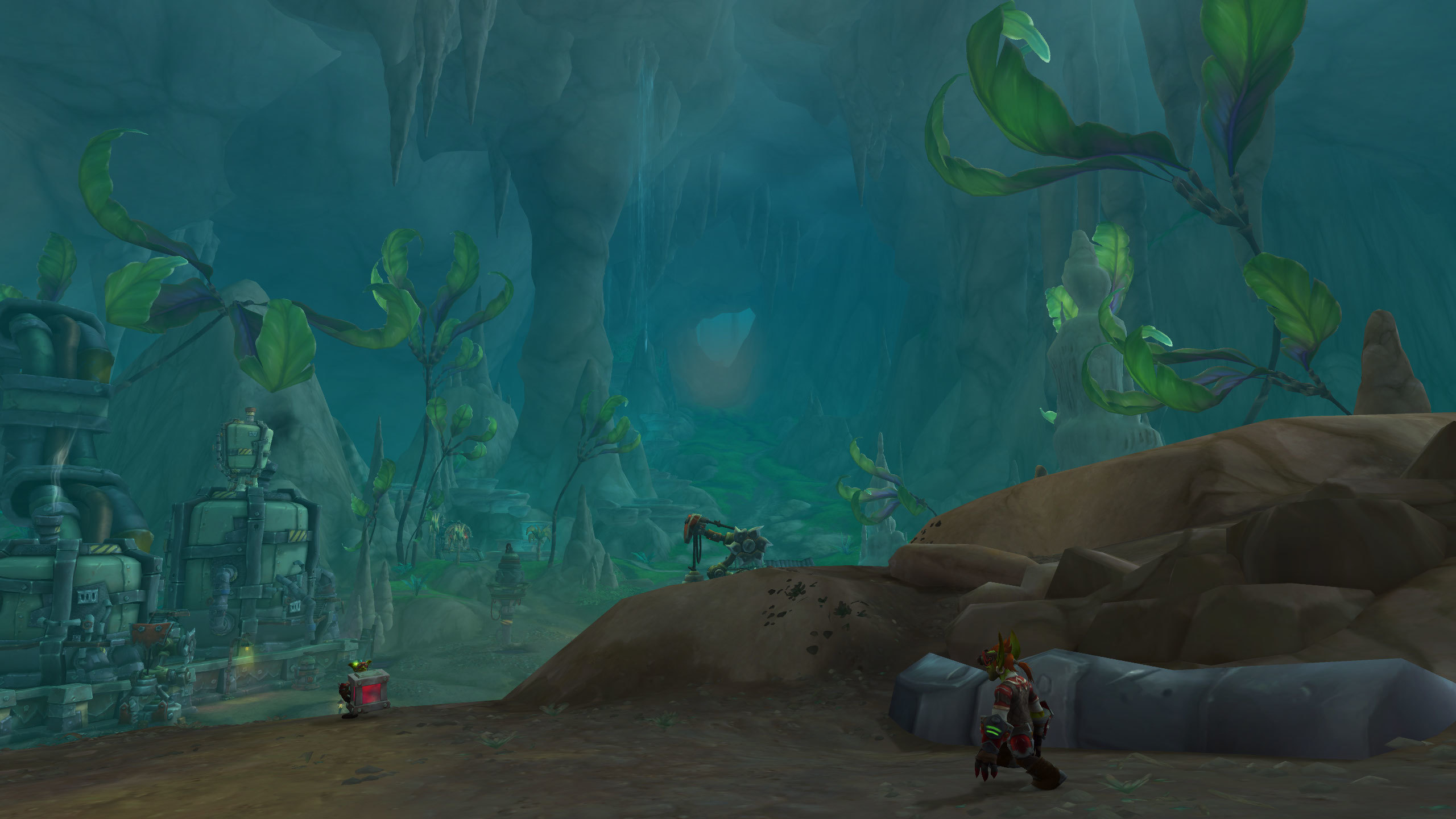
Battleground victories are increasingly decided by awareness and decision-making rather than raw mechanical output.
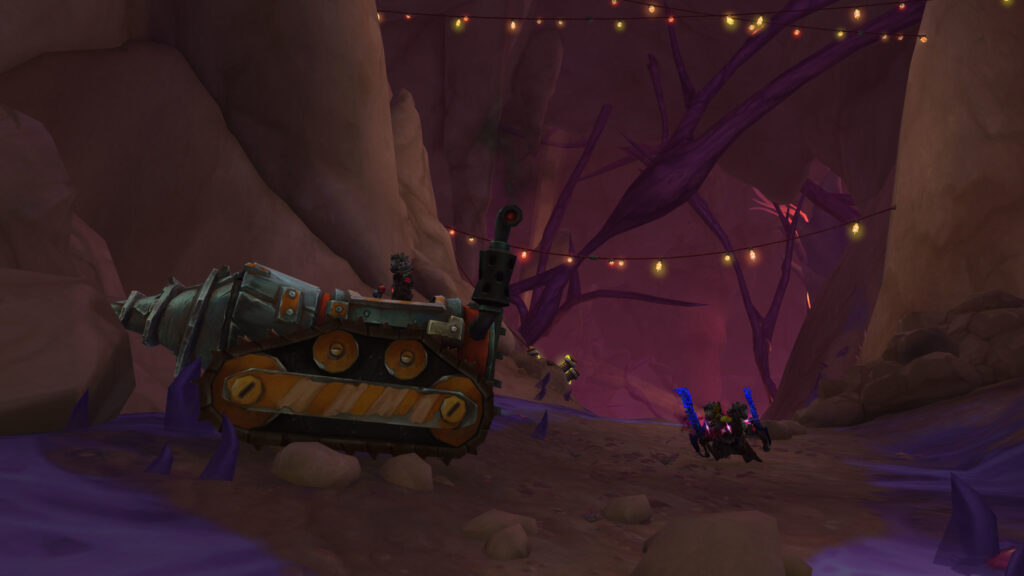
As map complexity and objective pressure rise, teams that understand win conditions consistently outperform mechanically stronger opponents.
Objectives Define the True Win Condition
Battlegrounds are structured around control points, resources, and timed objectives rather than kill counts.
Mechanical skill may win isolated fights, but objectives decide the scoreboard.
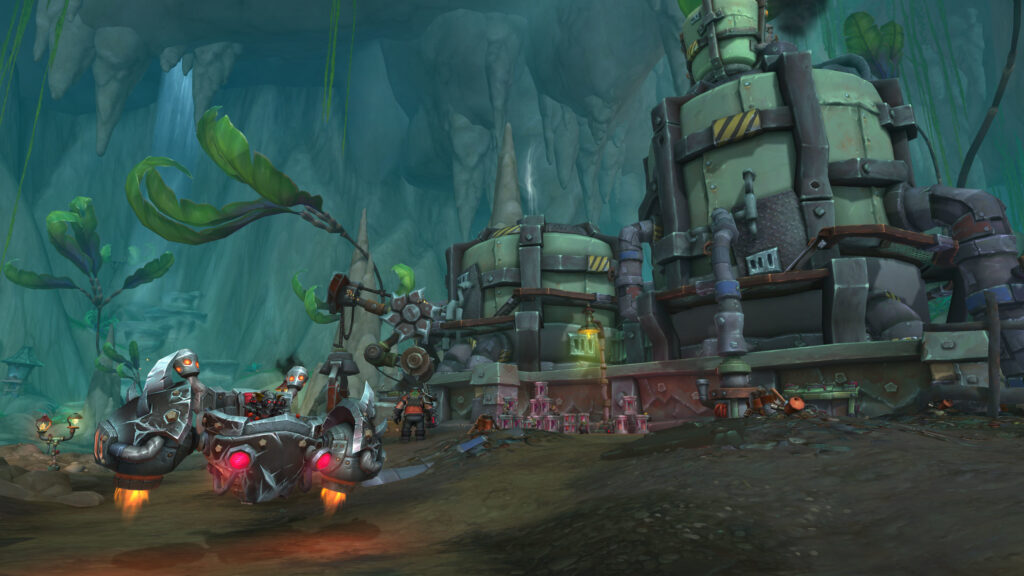
Teams that chase damage without securing objectives often lose despite strong individual performances.
Awareness Redirects Player Effort Efficiently
Objective-aware players reposition before pressure peaks. They rotate early, reinforce weak points, and abandon lost fights.
This proactive movement prevents wasted time and preserves momentum across the map.
Mechanical players who tunnel on fights often arrive late to decisive moments.
Coordination Beats Individual Outplays
Battleground success favors synchronized actions over isolated hero plays.
Calling rotations, timing captures, and delaying opponents matter more than winning duels.
| Player Focus | In-Match Behavior | Match Outcome |
|---|---|---|
| Objective awareness | Early rotations | Controlled win |
| Mixed focus | Late responses | Close match |
| Mechanical tunnel | Fight chasing | Objective loss |
| No coordination | Scattered play | Defeat |
Awareness Scales Better at Higher Levels
As mechanical skill equalizes across players, awareness becomes the differentiator.
Higher-level battlegrounds punish late reactions and reward teams that read the map continuously.
Conclusion
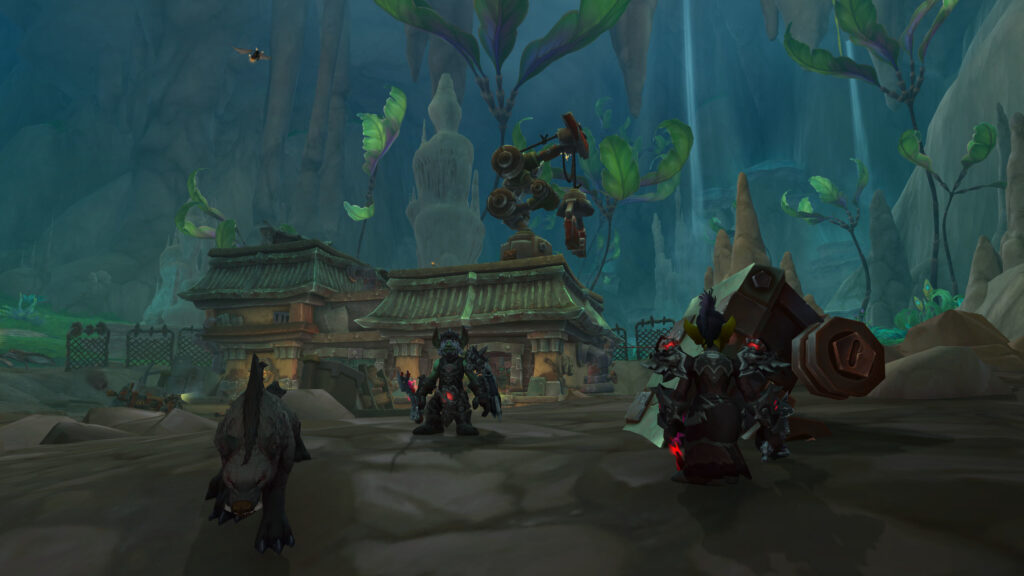
PvP objective awareness surpasses mechanical skill in battleground outcomes.
Teams that play the map instead of chasing damage secure consistent victories.
Leave a Reply