
Raiding in World of Warcraft has been one of the core pillars of the game’s endgame content for nearly two decades. Since the release of the game in 2004, players have been drawn to the epic battles, intricate mechanics, and the sense of camaraderie that comes with defeating challenging bosses in large group settings. But as the gaming industry evolves and the demands of players shift, Blizzard must find new ways to innovate the raiding experience to keep things fresh, exciting, and relevant in WoW’s next expansion.
In this article, we will explore several key ways Blizzard could innovate raiding in future expansions of WoW. These changes will include new raid mechanics, class dynamics, rewards systems, and technology, all aimed at pushing the boundaries of what raiding can be. By adapting to players’ feedback and the technological advancements available, Blizzard can breathe new life into raiding, offering players an experience that keeps them coming back for more.
New and Evolving Raid Mechanics
One of the most important aspects of any raid in World of Warcraft is its mechanics. For years, Blizzard has been experimenting with innovative ways to challenge raid groups through unique fight mechanics that require coordination, skill, and precise timing. In the upcoming expansions, Blizzard could take this a step further by introducing mechanics that are even more dynamic, interactive, and player-specific.
Dynamic Environments 🌍
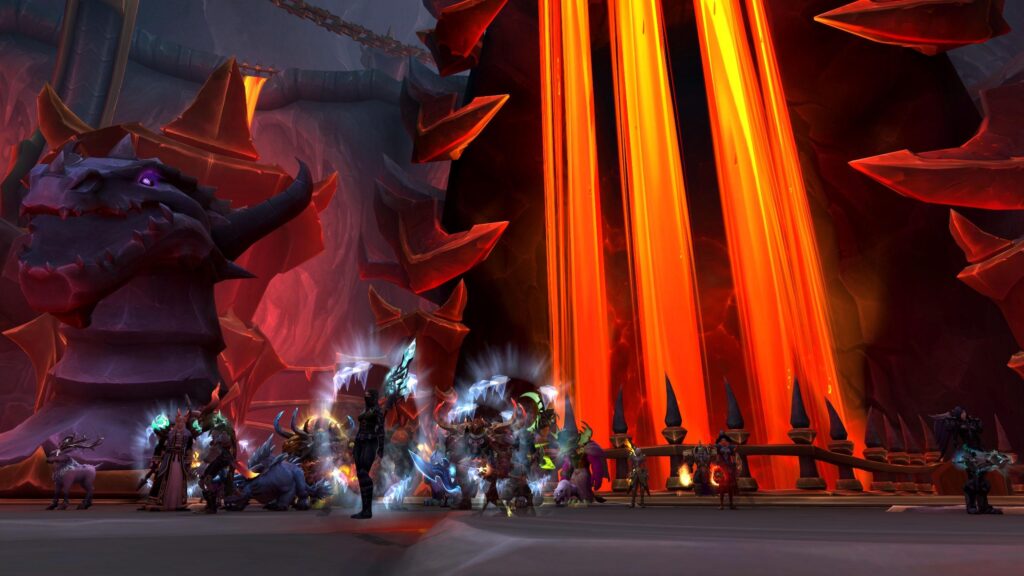
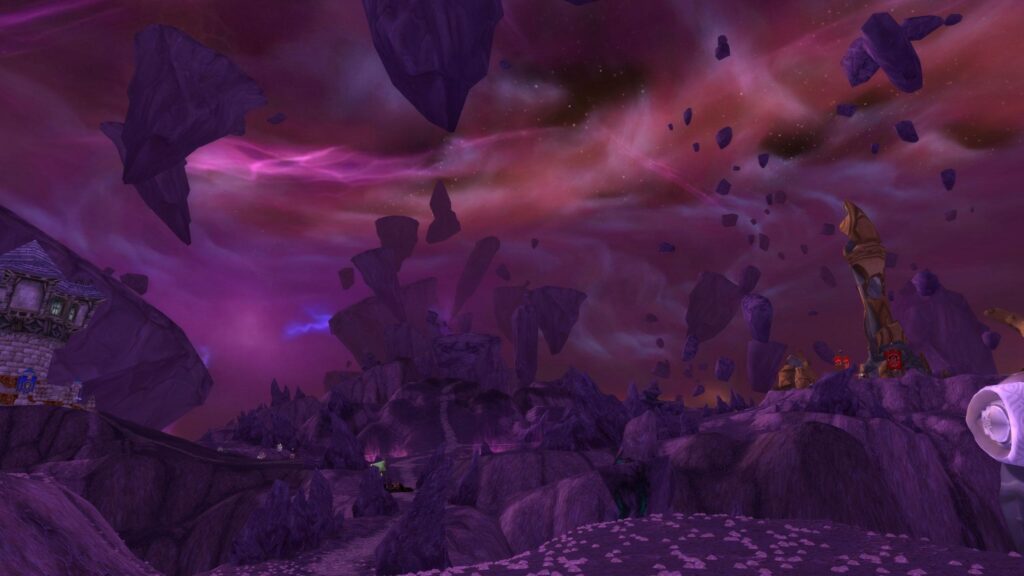
One way to keep players engaged and on their toes is through dynamically changing raid environments. Instead of having static rooms or arenas, Blizzard could introduce raid zones where the terrain itself shifts and morphs during the fight. Imagine a boss fight in which the ground beneath you constantly shifts, creating new obstacles, hazards, or opportunities depending on where you stand. Such dynamic environments would require players to think on their feet and adapt quickly, changing the way raid groups approach fights.
Mechanics Based on Player Specialization 🎮
Another potential innovation is the introduction of raid mechanics that are specifically tied to player roles or specializations. Instead of general mechanics affecting the entire raid, specific players could be targeted based on their spec. For example:
- Tanks might face a mechanic that involves absorbing huge amounts of damage.
- Healers could need to dispel a dangerous debuff affecting other healers in the group.
- DPS players might need to handle special adds or high-damage phases.
These specialized mechanics would promote class identity, making each role feel more integral to the encounter. 🎯
Multi-Phase Boss Fights with Complex Transitions 🔄
Raid bosses could be designed with multi-phase encounters that require shifting strategies at each phase. Blizzard could expand on multi-phase fights by adding more complexity, such as bosses that grow stronger or weaker depending on how much damage is done in a particular phase or what mechanics are completed in time. These complex transitions could require raiders to reassemble their strategies on the fly, providing a thrilling experience with each encounter.
Raid Rewards Evolution: Encouraging Diverse Playstyles
Loot and rewards have been at the center of WoW’s raiding experience for years. However, with the increasing focus on personalization and player choice, Blizzard has an opportunity to revamp the rewards system to further enhance the raid experience.
Expanded Gear Customization 🛠️
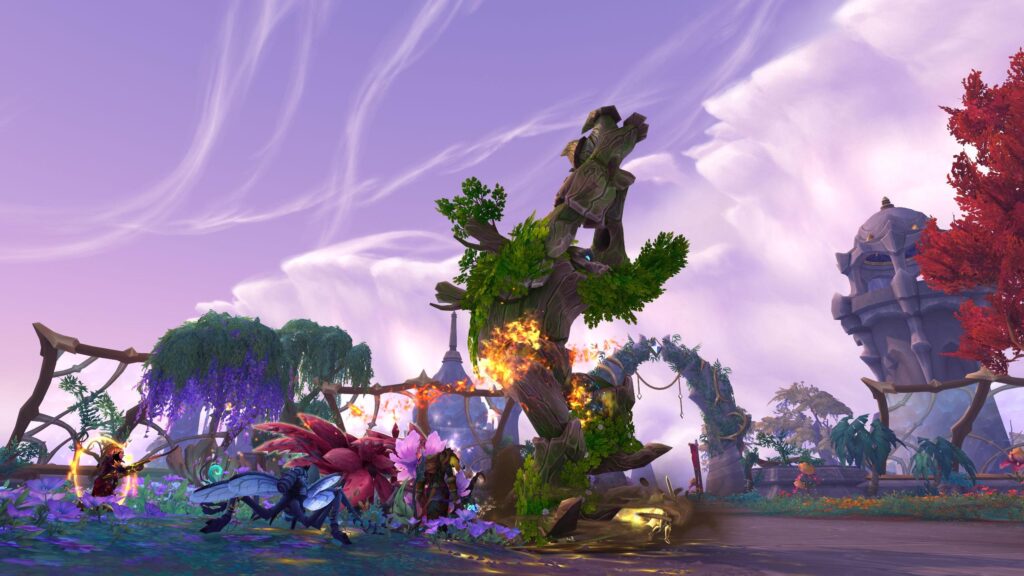
Instead of a straightforward gear upgrade system, Blizzard could incorporate deeper customization options. For example, loot from raid encounters could come with customizable traits or sockets that can be adjusted based on a player’s preference or needs for their role. This would allow for more personalized gearing, making raid loot feel more meaningful and tailored to the player’s spec and playstyle. It could also create an avenue for creating gear sets that cater to niche roles, offering players new ways to optimize their character’s performance.
Skill-based Cosmetics and Titles 🏅
Another way Blizzard could innovate raid rewards is by focusing on cosmetics and titles that are tied to individual player performance. Titles could be granted not just for defeating bosses, but for completing certain raid objectives, such as:
- Mastering specific mechanics
- Executing perfect timing
- Successfully completing a raid without wiping
These rewards would provide players with a sense of personal accomplishment, while still contributing to the overall raid progression.
Raids as a Progression Path ⏩
Blizzard could also integrate raiding into the overall game progression more fluidly, making raids a necessary part of the player’s journey. This could involve tying raid progression into the overarching storyline, where players’ participation in raids directly influences the world around them. By offering rewards such as gear, mounts, and progression points, raids could become essential to progressing through the narrative of the expansion, giving players additional incentives to participate.
Technology and Innovation: The Future of Raids in WoW
As technology advances, so too does the potential for raiding innovation in World of Warcraft. With improvements in game engines, server technology, and AI, Blizzard has the tools needed to push the boundaries of what is possible in raid design.
Advanced AI Boss Mechanics 🤖
One of the most exciting prospects is the use of advanced artificial intelligence to create more intelligent and unpredictable bosses. Instead of following scripted behavior patterns, raid bosses could adapt in real-time to the actions of players, making every encounter feel unique. This could involve the boss learning from the raid’s mistakes, changing its behavior based on how players position themselves or interact with the environment. Such AI-driven bosses would challenge players to think critically and constantly adjust their strategies throughout the fight, adding a new layer of complexity to raids.
Improved Group Dynamics and Communication Tools 📡
Blizzard could improve raid communication tools to enhance the group experience. This could include in-game voice communication with positional audio cues, as well as improved raid markers and role-specific visuals that help players understand their responsibilities and the raid’s strategy. New features could also be introduced to help players quickly organize and execute complex mechanics during boss fights, such as advanced timers for abilities or interactive world markers.
Guilds and Community Innovation
Raids have always been about teamwork and coordination, but the social aspect of raiding could be further enhanced to make guilds even more integral to the raiding experience.
Improved Guild Systems 🏛️
Blizzard could build upon the existing guild systems to create more robust and rewarding ways for players to interact and progress together. This could involve deeper customization for guild ranks and permissions, improved guild achievements, and more ways for guilds to track their collective progress. Additionally, guilds could be given special raid challenges that require the entire guild to complete, encouraging even more camaraderie and cooperation among players.
Cross-Faction Guilds and Raids 🌐
With the expansion of cross-faction play, it would be exciting to see Blizzard expand this to include cross-faction guilds and raiding. This would allow players from different factions to team up more easily and progress together, breaking down the barriers that often divide the community. It would encourage a more inclusive and diverse raid experience, giving players more freedom in choosing who to raid with and forming stronger bonds between factions.
New Boss Design Concepts: Engaging with the World Beyond the Instance
An exciting way Blizzard could innovate future raids is by creating bosses and raid encounters that break the fourth wall and extend beyond the raid instance itself. Raids could become part of the larger world, impacting the story and events of the game in real-time. Imagine raid bosses who are not confined to their own arena, but instead affect different zones in the world, changing landscapes, spawning world events, or even altering the state of other in-game factions.
World-Affecting Raids 🌍
Rather than being isolated in their own dungeons, raid bosses could have a lasting impact on the world of Azeroth. As players defeat a boss, the effects ripple across the world: previously hostile areas might become peaceful, or NPC factions might shift allegiance. These changes could add an additional layer of complexity to raid progression, where players have to consider not only the mechanics of the boss fight but also how their actions affect the world.
The dynamic nature of such raids could require players to adapt their strategies and consider the consequences of their actions long after the fight is over. The world would no longer just be a backdrop to the raid, but an integral part of the narrative experience.
Raid Bosses with Persistent Narratives 📚
Raid bosses could also develop ongoing narratives, where the aftermath of a raid encounter leads to the creation of new bosses, areas, and quests. Blizzard could design a system where defeating a boss doesn’t just open up the next fight in the raid, but instead leaves the player with lingering questions or new objectives that can unfold over multiple expansions. In this way, each raid would feel like a chapter in a larger, evolving story.
Exploring the Concept of Raid Difficulty in Future Expansions
While current WoW raid difficulty levels like LFR, Normal, Heroic, and Mythic provide players with multiple avenues to approach raid content, there is potential for Blizzard to expand on this concept to create even more varied and immersive raid experiences.
Dynamic Difficulty Scaling: Scaling to the Raid Group 👥
One possible change is introducing dynamic difficulty scaling that adjusts based on the number and skill level of participants in the raid. Blizzard could implement a system that intelligently scales the difficulty of the encounter depending on the raid group’s composition, allowing smaller or newer groups to enjoy a more accessible raid while still providing challenge to seasoned raiders.
Dynamic scaling would give every raid group a tailored experience without sacrificing the integrity of the encounter. It would also help ensure that every raid can be completed by players of varying skill levels, helping to bridge the gap between casual and hardcore raiders. Scaling difficulty based on real-time group performance could create a more balanced and engaging experience for all players, ensuring that no one feels left out based on group composition or gear level.
Solo-Friendly Raid Elements 🦸♂️🦸♀️
Another area that could be explored is incorporating solo-friendly raid elements, where players could choose to tackle certain encounters or objectives alone, without requiring a full raid group. While raiding has always been a cooperative endeavor, there could be room for players to experience significant parts of the raid content solo or in small teams.
These solo elements would allow players to experience the raid story and mechanics on a personal level, before joining up with other players to tackle the more difficult phases of the encounter. This would also help solo players progress in their raiding journey, giving them the opportunity to experience some of the more challenging content without the need for constant team coordination.
Introducing More Interactive, Engaging Raid Tools
The tools available to raid leaders and participants in WoW are integral to the management and success of any raid. In the future, Blizzard could expand on these tools, making them more interactive and immersive, helping raid groups improve their overall performance and coordination.
In-Depth Raid Strategy System 📝
One area that could see improvement is the raid strategy interface, which could become more interactive and comprehensive. A tool integrated into the game that lets players plan and practice strategies could be extremely beneficial. For instance, players could use in-game maps to plan positioning, mark locations for certain mechanics, and practice boss mechanics through tutorials or simulations. This would allow less experienced raiders to familiarize themselves with the encounters before jumping in, reducing wipe chances and improving team cohesion.
Additionally, Blizzard could consider creating an intuitive raid tracker that helps players see the raid’s performance in real time. This could include features like damage meters, positioning trackers, or time-to-next-mechanic indicators. By giving raid leaders and players the tools they need to evaluate and improve their performance, Blizzard could help create a more organized and strategic raiding experience.
Coordinated Buff/Debuff Timers ⏰
Improving the UI and adding specialized raid tools, such as more customizable buff and debuff timers, would give players and leaders the ability to more precisely monitor and react to the fast-paced flow of the raid. Such timers could be enhanced with color-coded indicators, priority lists for different roles (e.g., Tanks, Healers, DPS), and customizable options that allow players to adjust them to fit the group’s strategy.
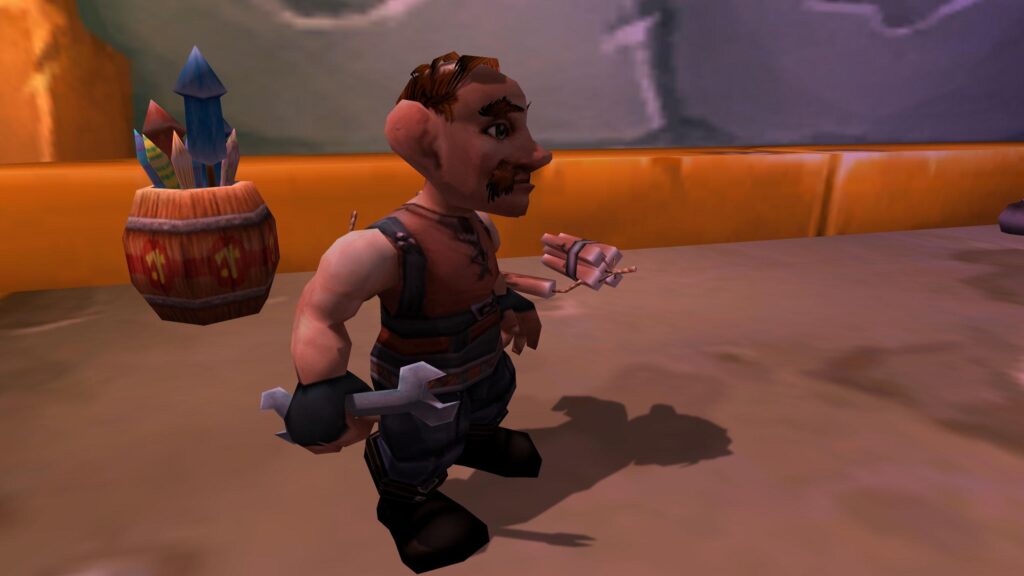
This would be especially useful in raids with multiple bosses or challenging encounters where multiple mechanics need to be tracked simultaneously. Having better coordination tools built into the game would reduce the need for third-party addons, making it easier for players to organize, track, and react to raid dynamics without additional clutter.
Reworking Raid Accessibility and Flexibility
As WoW continues to evolve, it’s important for Blizzard to focus on raid accessibility to ensure that all types of players—whether casual or hardcore—can enjoy the endgame content in a meaningful way.
Flexible Raid Sizes 👥💪
WoW raids traditionally have fixed raid sizes, but in future expansions, Blizzard could consider offering more flexibility in this area. The idea of a raid group scaling up or down based on the number of players available would allow more people to participate in raids without feeling the pressure of strict group size requirements. This could encourage more impromptu group creation and make the experience feel more organic and dynamic.
In addition, Blizzard could add the option for players to join “flexible” difficulty modes that scale based on the number of players in the group, similar to how Mythic Plus dungeons are structured. This would allow guilds and groups to tackle raids with various group sizes and not feel limited by traditional 10-player or 25-player constraints.
Raid Finder Improvements 🔍
While Raid Finder has always served as an entry-level option for players to experience raiding, Blizzard could consider enhancing LFR with a more robust and rewarding system. Improvements could include better matchmaking, more informative tutorials for newcomers, and rewarding players with progression-based rewards as they complete sections of the raid.
Additionally, integrating social features and communication tools into LFR would encourage more interaction among players. Currently, LFR often lacks the social aspect of raiding, and improving these features could make it a more engaging and enjoyable experience for solo players looking to explore the raid content without committing to a full-fledged guild.
Conclusion: A Bright Future for WoW Raiding
As Blizzard continues to innovate and expand upon the core elements of World of Warcraft, raiding remains one of the most exciting and important features of the game. With potential advancements in raid mechanics, rewards systems, technological integration, and accessibility options, raiding in WoW’s next expansion could evolve into a truly revolutionary experience.
Whether it’s through the introduction of dynamic environments, advanced AI bosses, deeper raid customization, or enhanced group coordination tools, the future of WoW raiding is filled with exciting possibilities. Blizzard has the opportunity to build on what makes WoW raids so special while embracing new technology and creative ideas to push the genre forward.
For raiders, this means a future where the game’s most challenging content continues to provide new ways to interact, adapt, and grow. As long as Blizzard listens to its player base and continues to innovate, there’s no doubt that the next chapter in WoW’s raiding saga will be one worth experiencing.
Leave a Reply